

The intriguing evolution of gambling through the ages
Ancient Beginnings of Gambling
Gambling has roots that trace back thousands of years, with evidence found in ancient civilizations such as China, Egypt, and Mesopotamia. In these early societies, gambling often took the form of dice games and betting on events like chariot races or athletic competitions. Archaeological findings, including ancient dice made of bones, indicate that humans have long been captivated by the thrill of chance, establishing betting as an integral part of social gatherings and rituals. For those looking to explore modern options, https://spinmate88-australia.com/ serves as an excellent entry point into today’s online gaming world.
The Chinese were pioneers in this realm, developing games using tiles as early as 2300 BC, which eventually led to the creation of modern card games and the concept of lotteries. Meanwhile, in ancient Rome, gambling became a popular pastime among the elite, who placed bets on gladiatorial combat, further embedding the practice into societal norms. These early forms of gambling laid the foundation for the more structured systems that would emerge in the centuries to come.
As trade routes expanded, so did the concept of gambling. The Silk Road facilitated the exchange of goods, ideas, and cultural practices, including gambling. This exchange allowed various gambling practices to spread across different regions, creating a tapestry of gaming traditions that would evolve into the modern forms we know today. The allure of risk and reward has always fascinated humanity, and ancient civilizations capitalized on this fascination to create forms of entertainment that persist into contemporary culture.
The Rise of Formal Gambling Institutions
The Middle Ages saw the establishment of more organized gambling institutions. In Europe, the introduction of the first gambling houses, known as casinos, marked a significant shift in how gambling was perceived and conducted. These establishments provided a controlled environment for various games, allowing people from all walks of life to engage in betting activities. The word “casino” itself derives from the Italian term for “little house,” reflecting the intimate settings where patrons could gather to play games of chance.
During this period, games such as chess and backgammon gained popularity, and betting on these games was commonplace. Additionally, lotteries became increasingly popular as a means of raising funds for public projects, such as roads and schools. The structure and regulation of these games laid the groundwork for a more sophisticated approach to gambling, setting the stage for future developments in the industry.
By the 17th century, gambling had become a prominent feature of European life, with royal patrons endorsing various games. This led to the formalization of rules and the development of games such as poker and blackjack, which would later dominate the gambling scene. The combination of legal frameworks and societal acceptance enabled the gambling industry to thrive, transforming it from an informal pastime into a recognized form of entertainment and commerce.
Gambling in the Modern Era
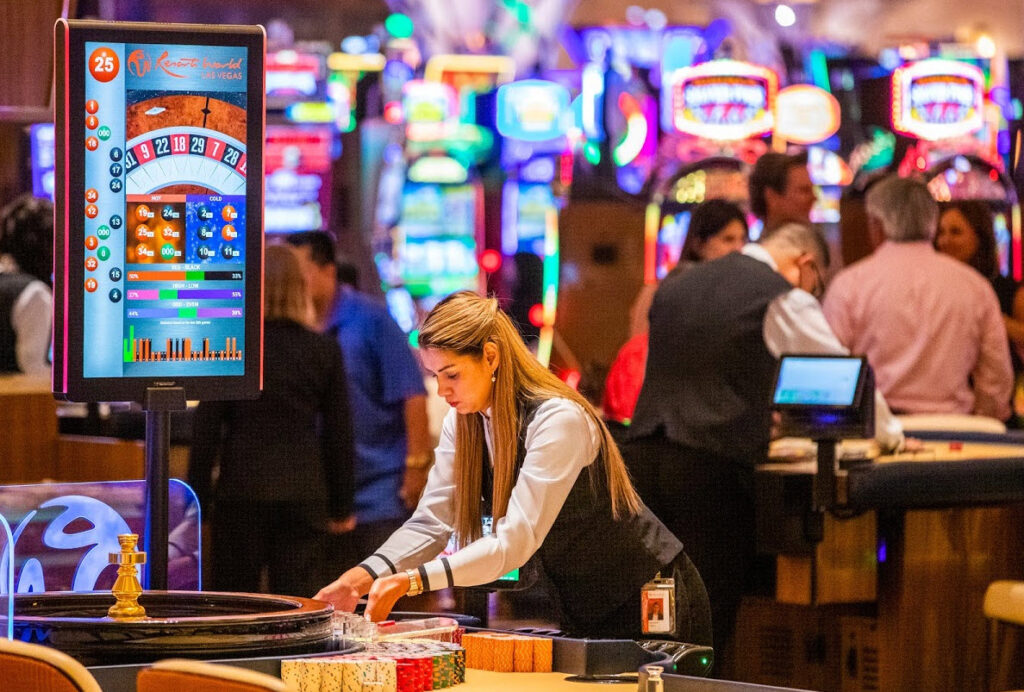
The 19th century brought about revolutionary changes in gambling practices, particularly with the advent of the Industrial Revolution. This era saw the creation of large-scale casinos in cities like Las Vegas and Monte Carlo, drawing players from around the globe. The glamour associated with these casinos made gambling an appealing pursuit for the masses, and this fascination was fueled by advancements in technology, such as the introduction of slot machines and roulette wheels.
As societal attitudes toward gambling began to shift, so did the legal frameworks governing it. In the United States, for example, the establishment of state-run lotteries and the legalization of casinos in Nevada during the 1930s marked a turning point. This not only transformed gambling into a lucrative industry but also initiated a debate on the ethics and regulation of gambling, leading to the establishment of governing bodies tasked with overseeing the operation of casinos and ensuring fair play.
The proliferation of gambling options during this time also paved the way for online gambling in the late 20th century. The internet revolutionized the gambling landscape, making games accessible to individuals in the comfort of their homes. Online casinos emerged, offering a vast array of gaming options and attracting a new demographic of players eager for convenience and variety. This digital shift not only altered how gambling was conducted but also introduced novel features like live dealer games, further enhancing the player experience.
The Impact of Technology on Gambling
The evolution of technology has had a profound impact on gambling practices over the last few decades. With the rise of smartphones and mobile applications, gambling has become even more accessible. Players can now enjoy their favorite games anytime and anywhere, leading to a surge in mobile gambling. This convenience has changed the way people engage with gambling, fostering an environment where players can quickly place bets and play games without needing to visit a physical casino.
Moreover, advancements in virtual and augmented reality are set to redefine the gambling experience. These technologies create immersive environments that mimic real-life casino settings, allowing players to interact with their surroundings and other players in ways that were previously unimaginable. As these innovations continue to develop, they promise to enhance player engagement and elevate the overall gambling experience.
Additionally, the use of data analytics and artificial intelligence in gambling platforms has allowed operators to tailor gaming experiences to individual preferences. By analyzing player behavior, casinos can offer personalized recommendations, promotions, and gameplay options, thereby increasing customer satisfaction and loyalty. This data-driven approach signifies a shift toward a more player-centric model in the gambling industry, fostering a deeper connection between operators and players.
SpinMate88: A Modern Online Gambling Experience
In today’s fast-paced digital age, platforms like SpinMate88 exemplify the culmination of gambling’s evolution. As Australia’s premier online casino, it offers an extensive collection of over 2,600 games, including popular pokies and classic table games. New players are welcomed with generous bonuses, including a potential AU$2,000 plus 150 free spins, making the gaming experience both exciting and rewarding from the start. This generous welcome package reflects the competitive nature of the online gambling market and the desire to attract and retain players.
SpinMate88 emphasizes user experience with easy deposit options, including modern payment methods like PayID, Visa, and even cryptocurrencies. This flexibility allows players to engage with the platform in a way that suits their preferences. Additionally, the focus on fast payouts and transparent practices ensures that players can enjoy their winnings without unnecessary delays, enhancing trust and satisfaction within the gaming community.
With 24/7 customer support and a user-friendly interface, SpinMate88 is tailored for both novice and experienced players alike. The platform embodies the ongoing evolution of gambling, seamlessly blending traditional elements with modern technology. As the industry continues to change and adapt, SpinMate88 stands at the forefront, offering an engaging, safe, and rewarding online gaming environment for all who seek the thrill of chance.